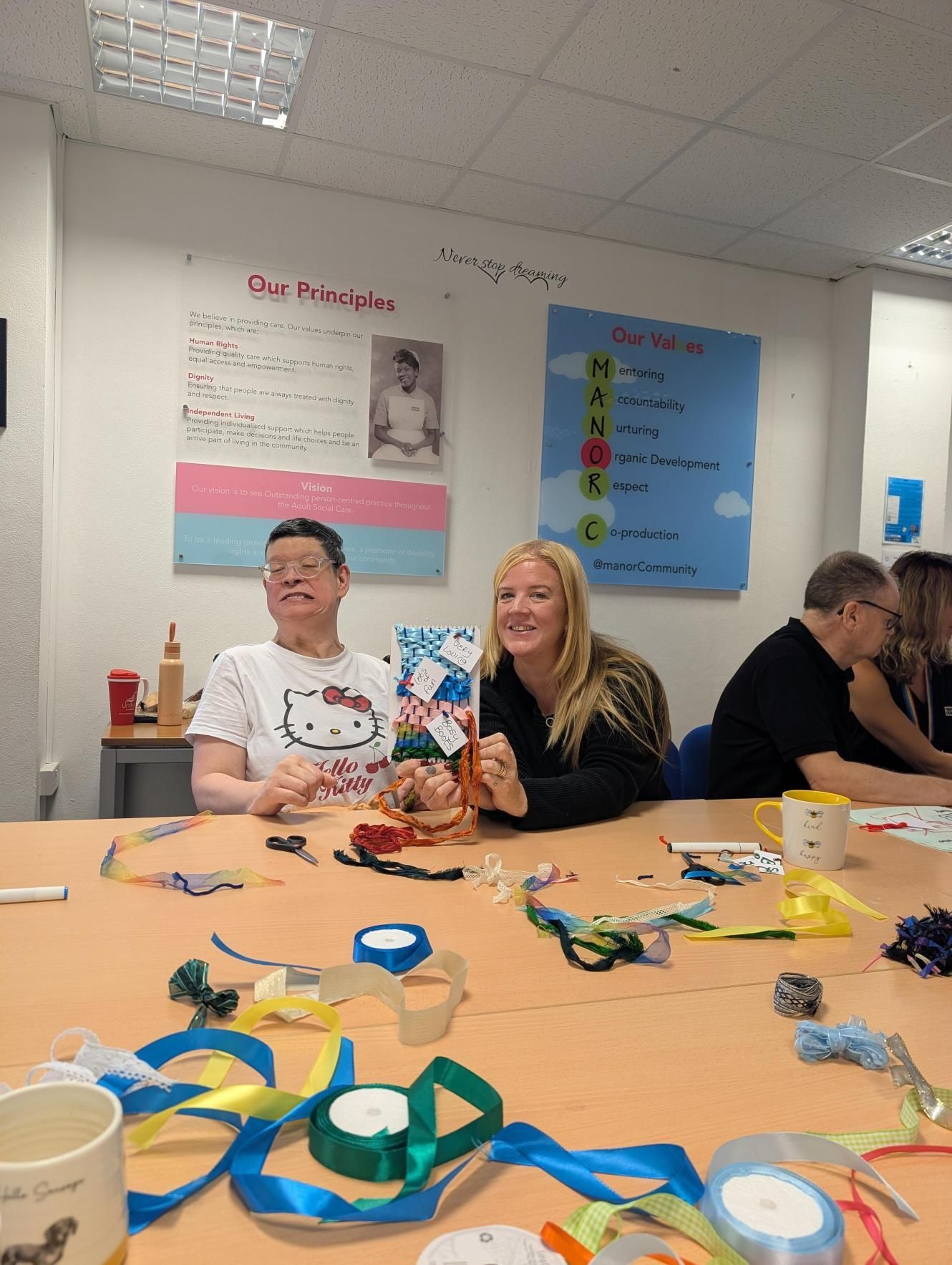
One of the things that makes the programme unique is that there are no spectators. Staff take part alongside residents, creating a shared experience where everyone has the opportunity to reflect, contribute and learn from one another. By participating together, staff and residents are able to have more open and meaningful conversations, helping to build trust and understanding.
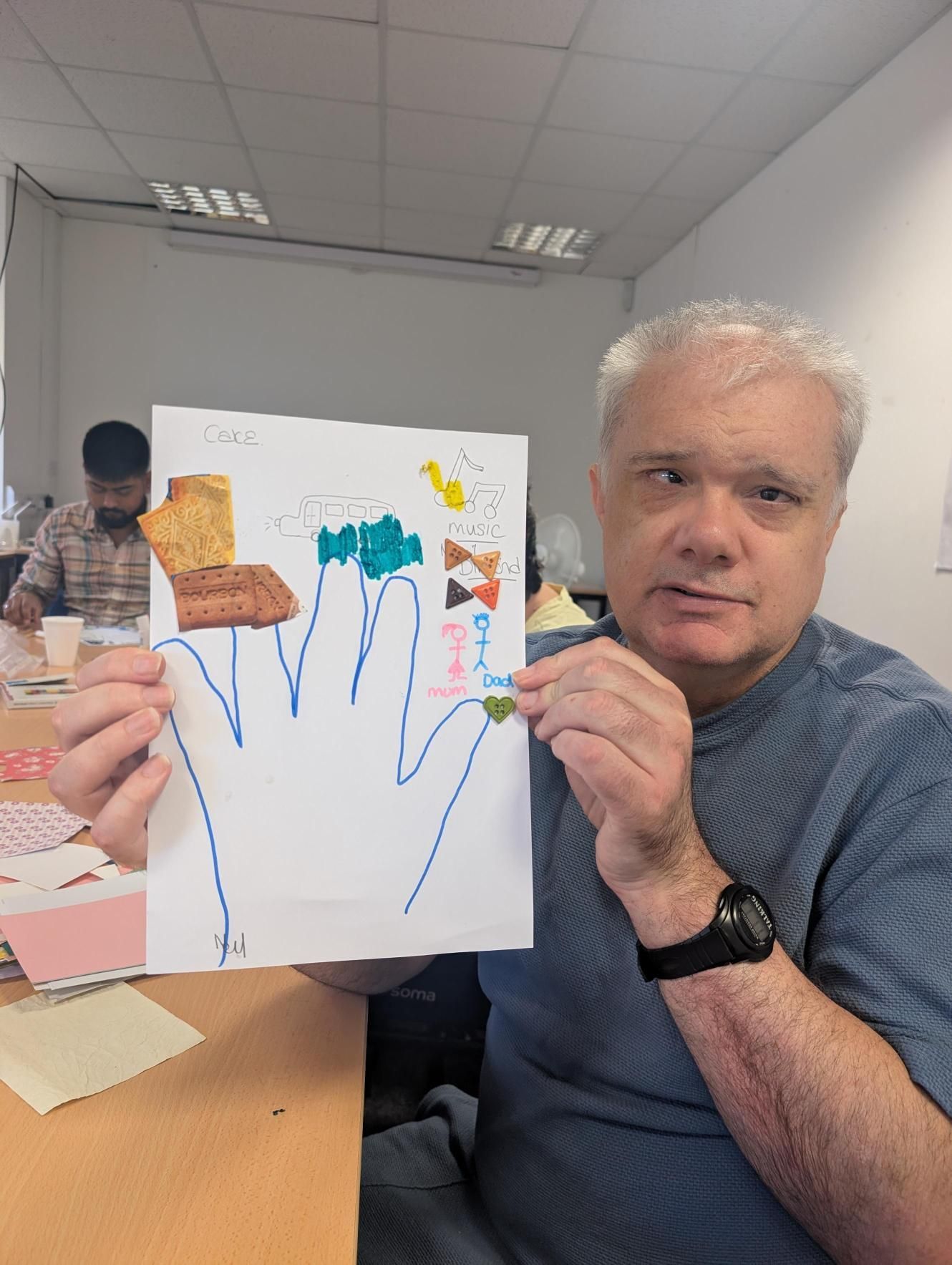
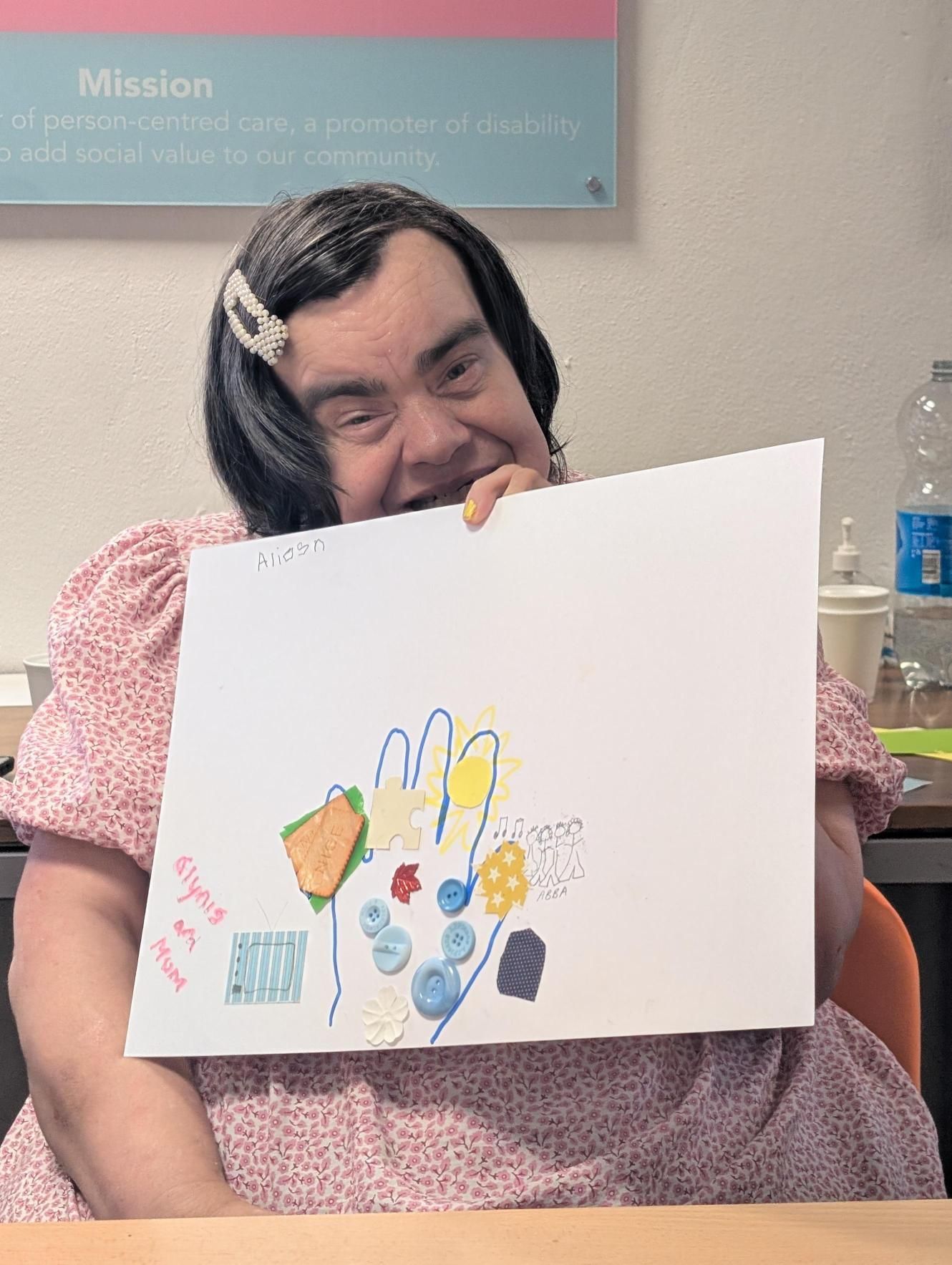
The first session encouraged participants to think about what matters most to them. Using a simple activity involving drawing around their hands, residents and staff filled each section with the people, places, interests and experiences that are important in their lives. What began as a creative exercise quickly became so much more. Conversations flowed naturally, people shared stories and memories, and participants discovered things about one another they had never known before.
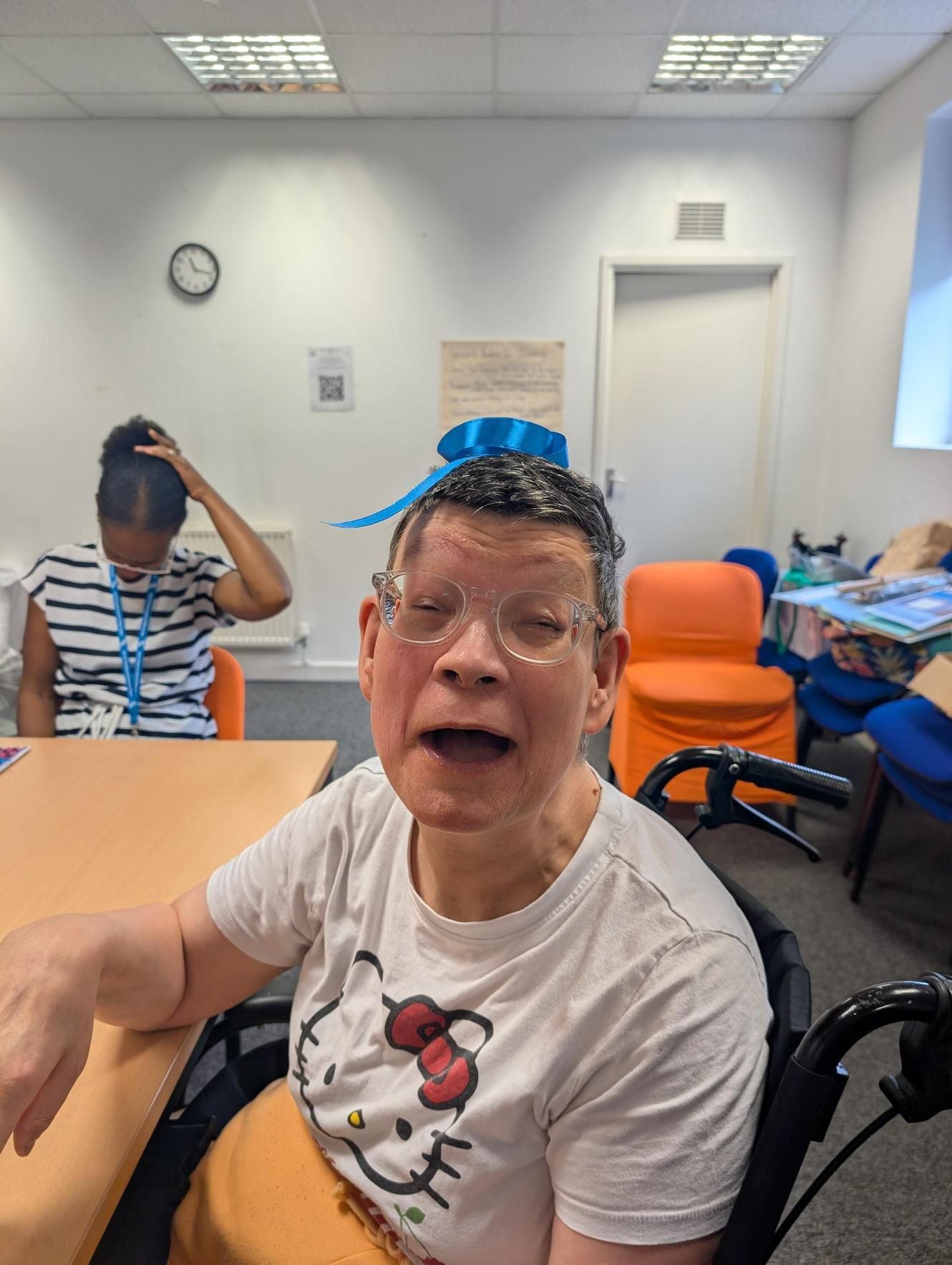
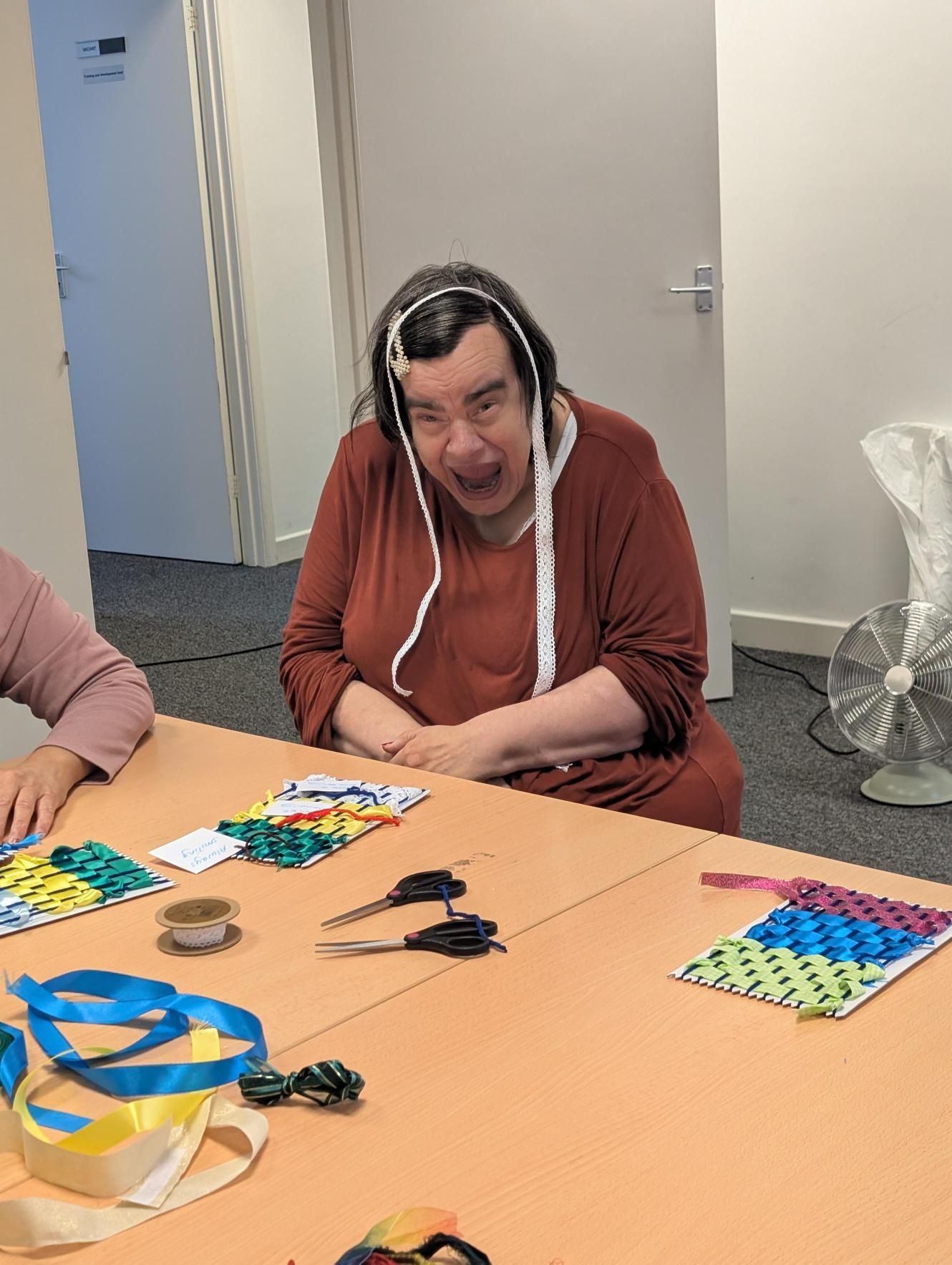
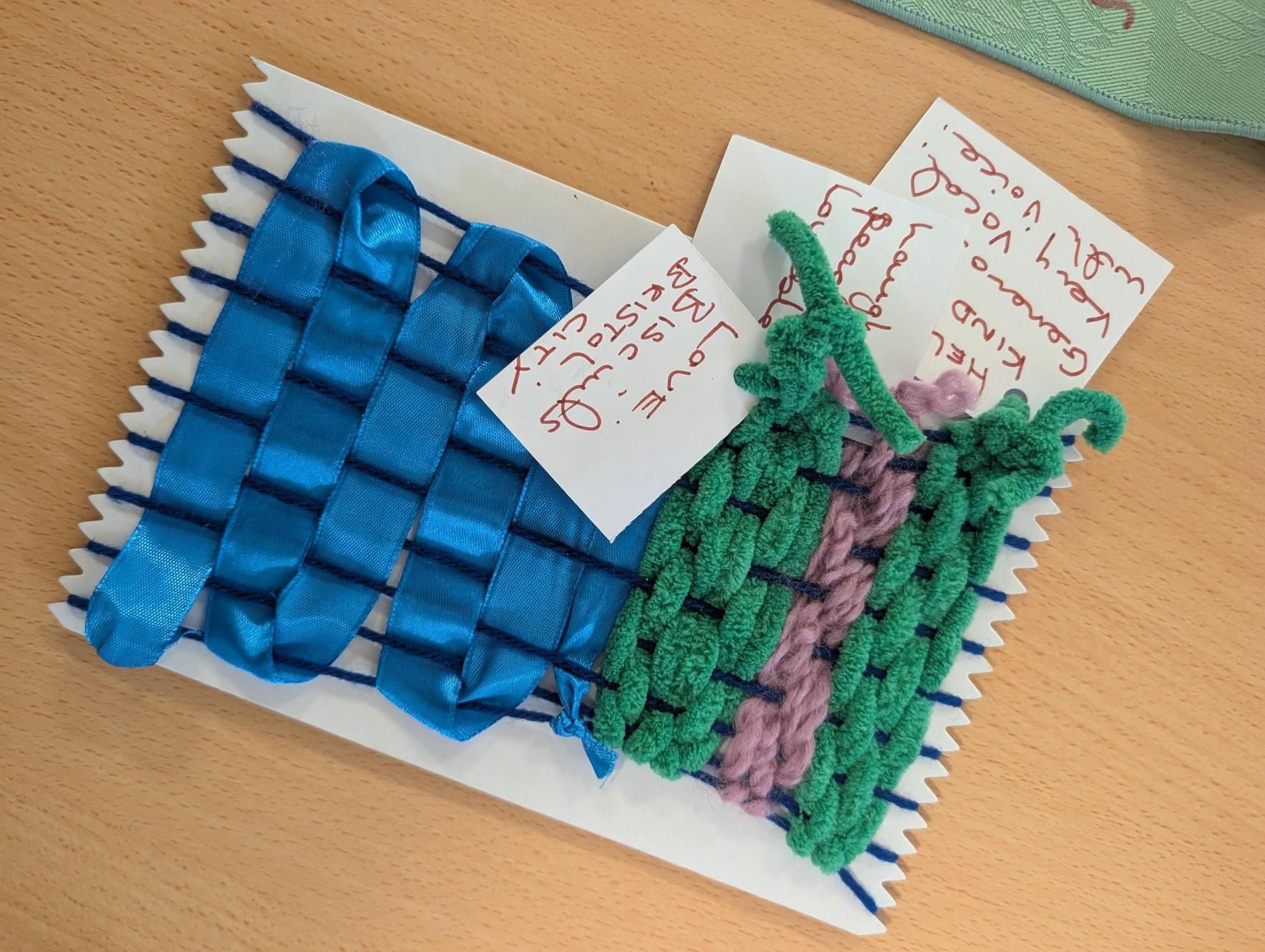
The second session explored more complex topics, including who people would want to support them with important decisions, where they would feel most comfortable receiving care and what matters most to them when thinking about the future. Through the use of fabric-based visual activities, participants were able to express their wishes in a way that felt less intimidating than a formal discussion.
The impact of these conversations became clear in a very real way during the programme. During one of the sessions, a resident experienced a seizure and paramedics were called. Because she had already taken part in No Barriers Here and shared her preferences around future care, staff knew she was comfortable with being admitted to hospital if needed. Rather than having to make assumptions or wonder what she would have wanted, her wishes had already been clearly expressed. It was a powerful reminder of why these conversations matter. By creating opportunities for people to share their preferences in advance, the programme helps ensure their voices remain at the centre of decisions about their care, even during unexpected situations.
What has been particularly powerful is the way the programme has encouraged people to share thoughts and feelings that might otherwise have remained unspoken. Staff have described learning things about residents that they had never known before, while residents who sometimes find communication difficult have been able to express their views in meaningful ways. Participants using communication devices and alternative methods of communication have been able to contribute fully, ensuring every voice is heard.
The sessions have also challenged the assumption that people do not want to talk about these topics. In reality, many people do want to discuss their wishes and preferences, but simply need the right environment and the right tools to help start the conversation. By approaching these sensitive subjects through creativity, participation and shared experiences, No Barriers Here has created a safe space where those discussions can happen naturally.
Perhaps most importantly, the programme reminds us that future planning should never become a tick-box exercise. It should be about understanding the person, their values, their relationships and what matters most to them. These sessions are helping us do exactly that.