Living with diabetes added another layer of complexity. Without regular routines and support in place, managing their condition became a challenge. Their health deteriorated, their confidence diminished and the future began to look increasingly uncertain.
When they joined our service, the team saw far more than the difficulties they were facing. They saw a person who deserved dignity, compassion and the opportunity to regain control of their life. From the very beginning, the focus was not simply on providing care, but on restoring confidence, rebuilding independence and helping the resident recognise their own potential once again.
Staff worked alongside the resident at every step, creating a safe, welcoming and supportive environment where they could begin to rebuild. At the same time, significant work was taking place behind the scenes. External agencies were brought together to address the condition of the resident's home, with a deep clean organised and specialist services attending the property to ensure it could become a safe place to return to in the future.
As trust developed, so did progress.
The resident slowly began re-establishing daily routines and rediscovering abilities they had lost confidence in over the years. Simple achievements became important milestones. Getting washed and dressed each day, eating regular meals, engaging with others and managing their health needs all became stepping stones towards something much bigger: believing in themselves again.
What made this journey particularly inspiring was the resident's determination. Change did not happen overnight, and there were challenges along the way, but they continued to engage with support and remained committed to improving their situation. Their resilience shone through time and time again. No matter how difficult things had become, they showed a willingness to keep moving forward and embrace new opportunities.
One of the qualities staff speak about most when reflecting on this resident's journey is their sense of humour.
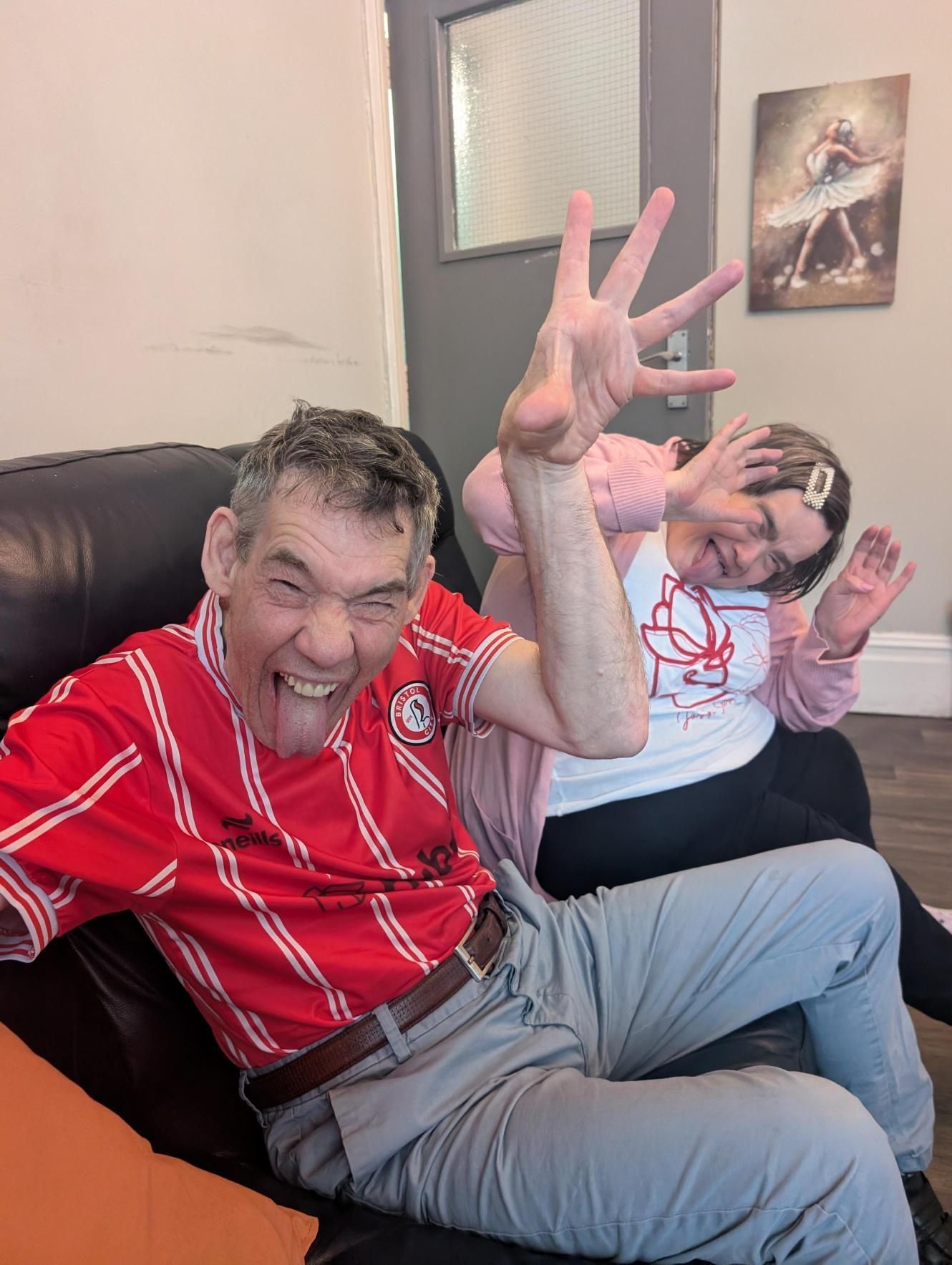
Despite everything they had experienced, they never lost their ability to make people smile. Their quick wit and light-hearted nature became a source of joy for both staff and fellow residents. Whether it was sharing a joke, teasing staff in good humour or finding something to laugh about during a difficult day, they brought warmth and positivity to those around them.
That sense of humour became much more than a personality trait. It became a strength. It helped build relationships, encouraged trust and demonstrated that even during some of life's most challenging moments, there can still be space for laughter. Their ability to find light in dark situations inspired those supporting them just as much as their progress did.
Over time, the changes became impossible to ignore. Their diabetes became more stable, they took increasing responsibility for their own wellbeing and their confidence continued to grow. Staff watched as someone who had once felt unable to manage independently began believing once again that a future in their own home was achievable.
Alongside these practical achievements, the resident was also supported to better understand their own safety and vulnerabilities. Having previously experienced financial exploitation and negative influences from others, they were supported to engage with the appropriate agencies and professionals to ensure stronger safeguards were in place. Through effective partnership working, they now have a network of support that will continue long after they leave the service.