Carers week

Mollie Howell • June 11, 2026

What Nobody Tells You About Caring for Someone You Love.


There's a particular kind of love that only unpaid carers really know. It's the love that gets you out of bed at 2am. The love that learns how to administer medication, navigate the NHS phone system, and smile through the days when nothing feels okay. It's also, if you're lucky, the love that makes you laugh even when you probably shouldn't.


When someone you love becomes less able or diagnosed with a life altering illness, life shifts. What was once an equal relationship, or one where they were the one doing the looking after, quietly changes into something different. Something harder to name. You're not their parent. You're not their nurse. You're just someone who loves them, who also happens to now manage prescriptions, drive to appointments, cook most of the meals, and occasionally lose a battle of wills over whether they really need a walking aid. Spoiler: they do. They know they do, they just don't like it.


When people hear the word "carer," they often picture someone patient and selfless, gliding through their days with quiet grace. Many of us are not that person. Many of us are the person who once stood in a hospital corridor eating a cereal bar for dinner at 7pm and cried in the car on the way home because we were exhausted and scared and couldn't tell anyone quite how much.

Caring for someone you love is not just physically tiring, though it is that. It's emotionally complicated in ways that are hard to explain without sounding ungrateful. You can feel grateful and overwhelmed in the same breath. You can find something funny and heartbreaking at the same time. You can love someone deeply and still feel, occasionally, a flash of something like grief, not for them, but for the version of life you both had before.


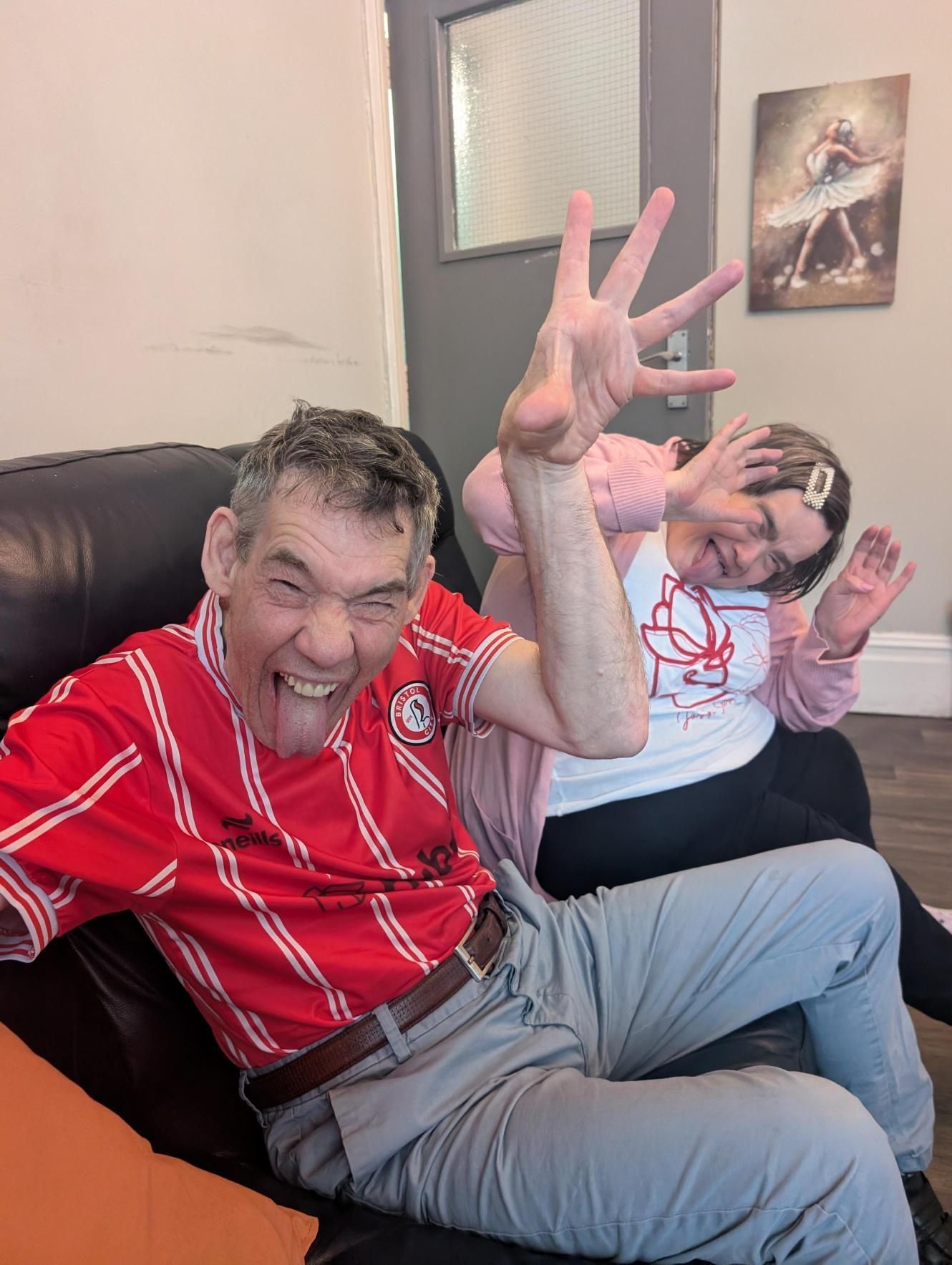
The stubbornness, though, the stubbornness can actually be a gift. When someone is living with reduced independence, there are moments where you wonder how much fight is left in them. And then they refuse to cancel plans, or insist on doing something themselves that takes twice as long and half works and you think: right. There it is. That is still the person I've always known.


Illness and age take a lot. They take energy, independence, the easy version of things. What they often can't take, and it's one of the quiet miracles of caring is the personality. The opinions. The very specific and non-negotiable views on how things should be done. The ability to tell you exactly what they think, whether you've asked or not. It's exhausting. It's also, if we're honest, one of the things that keeps us going.


This week isn't really about being recognised, though that matters. It's about feeling less invisible. Because unpaid caring can be an isolating thing. You're doing something enormous, often quietly, often alone, and the world around you doesn't always notice. The appointments still need to happen. The medication still needs collecting. Life doesn't pause just because you're running on empty.

If you're reading this and you're in it too, whether you're caring for a parent, a partner, a sibling, a friend, we just want you to know: what you're doing is significant. The small things are significant. The fact that you showed up today is significant.


And if the person you're caring for is just as stubborn? Well. At least it keeps things interesting.


The Manor Community team 

Latest News from Manor Community

Manor Community Blog

By Mollie Howell July 23, 2026
A Cornish Adventure: Our Residents' Trip to Cornwall
Big Ben and the houses of parliament
By Mollie Howell July 13, 2026
A trip to the houses of parliament
By Mollie Howell July 7, 2026
Care Home Open Week | June 2026
By Mollie Howell July 2, 2026
What the p  eople we support, and their families need to know